Red Palm Oil 500 ml

10,50 €

Red Palm Oil

Many people turn up their noses at the mention of palm oil, as it doesn’t have the best reputation. However, there are several types of palm oil, and their growing conditions and extraction methods vary.

Oil palms are native to Africa, but today they are also grown in Southeast Asia and tropical regions of the Americas. A single palm, reaching up to 30 m in height, produces 3,000–6,000 small fruits. Once harvested, they must be processed immediately as they spoil quickly.

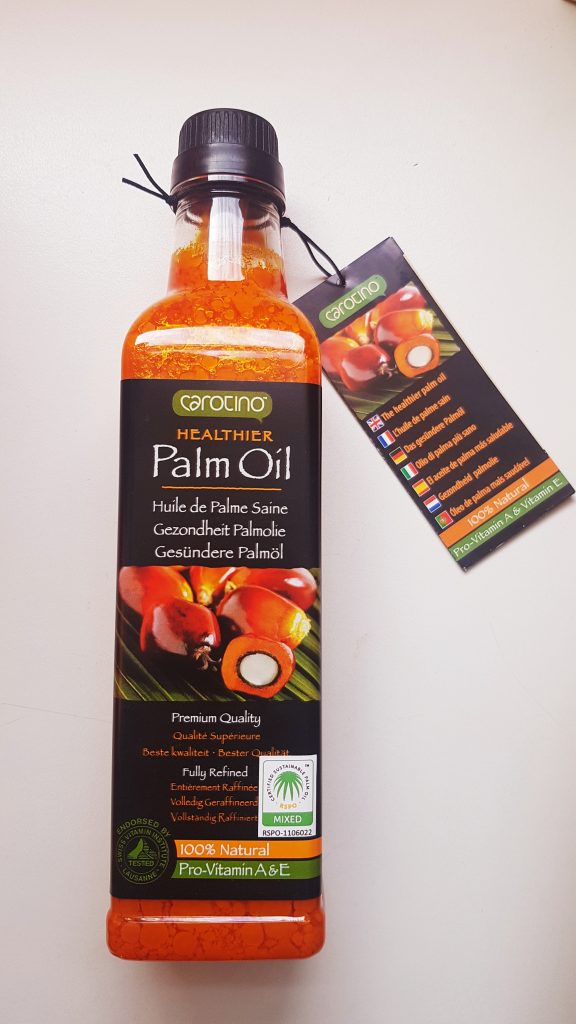
Red palm oil—unlike light or white palm oil—is a healthy and highly recommended product. It’s extracted from the fruit pulp rather than the kernels using a cold-pressing method, which preserves all the valuable nutrients and the orange-red hue, which can vary from dark to light depending on the region and variety. This red oil is packed with nutrients; it’s a rich source of beta-carotene and other carotenoids (containing significantly more—around 53 mg/100 ml—than carrots and tomatoes), which benefit vision and strengthen immunity, bones, and teeth while leaving your skin smooth and glowing. Red oil is also rich in Vitamin E (19.1 mg/100 ml), which supports the circulatory system, muscle and tissue health, and protects cells from free radicals. Simply put, the great value of this oil lies in its high antioxidant content; it contains 39 g/100 ml of saturated fatty acids and an equal amount of unsaturated fatty acids—unlike “regular” palm oil, which contains ~80% saturated and only 15–20% unsaturated fatty acids.

This oil is RSPO (Roundtable on Sustainable Palm Oil) certified. This certification ensures the oil comes from properly managed palm plantations. The oil is also certified to MSPO (Malaysian Sustainable Palm Oil) standards.


Where and how to use red palm oil?


*In African and Asian countries, this oil is used just like we use olive or sunflower oil in Europe: for meat and fish dishes, with vegetables, legumes, and salads.

*In its countries of origin, red oil is used for both frying and stewing, but heat destroys some of the nutrients, so one of the best ways to use it is in salad dressings or generously drizzled over leafy greens.

*Drizzle red oil over freshly baked bread; since it thickens at lower temperatures, it can also be used as a spread on bread slices or boiled potatoes.

*Use red oil to make various roasted vegetable and boiled legume spreads to serve on bread or as a dip for fresh vegetables.

*Red oil is wonderful for making chocolate glazes and fillings.


By the way!


Red palm oil can be applied to the skin; it helps prevent aging and promotes an even tan while nourishing and protecting the skin from sunburn.


*Potatoes fried in red palm oil


4 medium-large potatoes

1 large onion

3 tbsp red palm oil

freshly crushed caraway seeds (you can leave them whole if you prefer)

seasoned or herb salt of your choice


1. Peel and thinly slice the potatoes; cut the onion in half and then into slices.

2. Heat half the oil in a pan, add the potatoes, fry until almost done, and remove.

3. Pour the remaining oil into the pan and lightly fry the onions.

4. Add the potatoes back in, stir in the caraway seeds and salt, and fry until finished.


It tastes great with a yogurt sauce: whisk yogurt with lemon juice, herbs of your choice, and salt—for example, wild garlic and sesame salt.


*Vegetables in red palm oil


5 potatoes

3 carrots

1 small head of cabbage

1 onion

3–4 tbsp red palm oil

1 tsp salt

1 tsp ground turmeric

1 tsp ground cumin

½ tsp ground black pepper (or other of your choice)


1. Cut peeled potatoes into small pieces, carrots into thin rounds, and onions into rings. Shred the cabbage into fine strips.

2. Heat the oil in a pot and sauté the onions and carrots.

3. Add salt and spices, then the cabbage, and stew for ~15 minutes, stirring occasionally.

4. Add the potatoes and stew while stirring until the potatoes are soft.


If it looks like the vegetables might burn, add more oil or a little water or broth.



Description

Red Palm Oil

Many people turn up their noses at the mention of palm oil, as it doesn’t have the best reputation. However, there are several types of palm oil, and their growing conditions and extraction methods vary.

Oil palms are native to Africa, but today they are also grown in Southeast Asia and tropical regions of the Americas. A single palm, reaching up to 30 m in height, produces 3,000–6,000 small fruits. Once harvested, they must be processed immediately as they spoil quickly.

Red palm oil—unlike light or white palm oil—is a healthy and highly recommended product. It’s extracted from the fruit pulp rather than the kernels using a cold-pressing method, which preserves all the valuable nutrients and the orange-red hue, which can vary from dark to light depending on the region and variety. This red oil is packed with nutrients; it’s a rich source of beta-carotene and other carotenoids (containing significantly more—around 53 mg/100 ml—than carrots and tomatoes), which benefit vision and strengthen immunity, bones, and teeth while leaving your skin smooth and glowing. Red oil is also rich in Vitamin E (19.1 mg/100 ml), which supports the circulatory system, muscle and tissue health, and protects cells from free radicals. Simply put, the great value of this oil lies in its high antioxidant content; it contains 39 g/100 ml of saturated fatty acids and an equal amount of unsaturated fatty acids—unlike “regular” palm oil, which contains ~80% saturated and only 15–20% unsaturated fatty acids.

This oil is RSPO (Roundtable on Sustainable Palm Oil) certified. This certification ensures the oil comes from properly managed palm plantations. The oil is also certified to MSPO (Malaysian Sustainable Palm Oil) standards.


Where and how to use red palm oil?


*In African and Asian countries, this oil is used just like we use olive or sunflower oil in Europe: for meat and fish dishes, with vegetables, legumes, and salads.

*In its countries of origin, red oil is used for both frying and stewing, but heat destroys some of the nutrients, so one of the best ways to use it is in salad dressings or generously drizzled over leafy greens.

*Drizzle red oil over freshly baked bread; since it thickens at lower temperatures, it can also be used as a spread on bread slices or boiled potatoes.

*Use red oil to make various roasted vegetable and boiled legume spreads to serve on bread or as a dip for fresh vegetables.

*Red oil is wonderful for making chocolate glazes and fillings.


By the way!


Red palm oil can be applied to the skin; it helps prevent aging and promotes an even tan while nourishing and protecting the skin from sunburn.


*Potatoes fried in red palm oil


4 medium-large potatoes

1 large onion

3 tbsp red palm oil

freshly crushed caraway seeds (you can leave them whole if you prefer)

seasoned or herb salt of your choice


1. Peel and thinly slice the potatoes; cut the onion in half and then into slices.

2. Heat half the oil in a pan, add the potatoes, fry until almost done, and remove.

3. Pour the remaining oil into the pan and lightly fry the onions.

4. Add the potatoes back in, stir in the caraway seeds and salt, and fry until finished.


It tastes great with a yogurt sauce: whisk yogurt with lemon juice, herbs of your choice, and salt—for example, wild garlic and sesame salt.


*Vegetables in red palm oil


5 potatoes

3 carrots

1 small head of cabbage

1 onion

3–4 tbsp red palm oil

1 tsp salt

1 tsp ground turmeric

1 tsp ground cumin

½ tsp ground black pepper (or other of your choice)


1. Cut peeled potatoes into small pieces, carrots into thin rounds, and onions into rings. Shred the cabbage into fine strips.

2. Heat the oil in a pot and sauté the onions and carrots.

3. Add salt and spices, then the cabbage, and stew for ~15 minutes, stirring occasionally.

4. Add the potatoes and stew while stirring until the potatoes are soft.


If it looks like the vegetables might burn, add more oil or a little water or broth.


Reviews

There are no reviews yet.

Be the first to review “Red Palm Oil 500 ml”

Your email address will not be published. Required fields are marked *