


Description
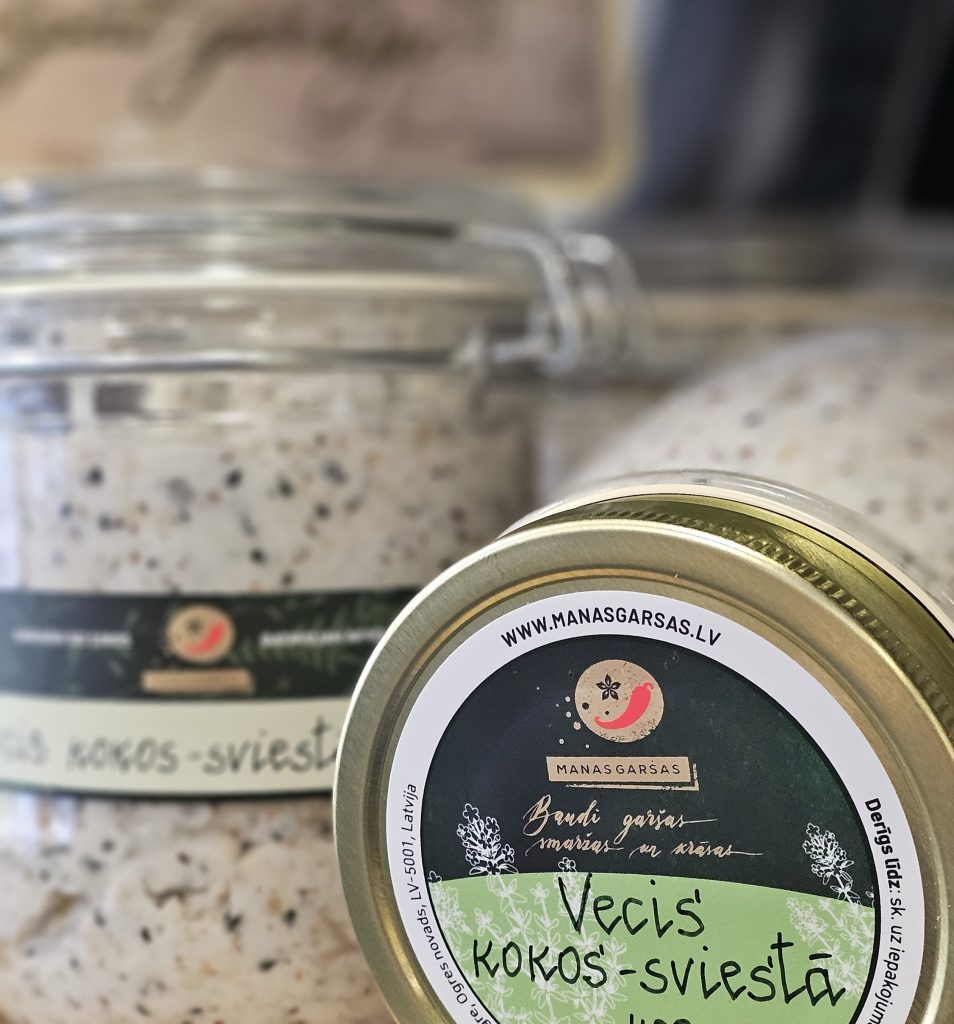
Slippery Elm Bark, or, as it’s commonly known, slippery elm bark. Image for illustrative purposes only.
English: Slippery Elm, Latin: Ulmus rubra
Thanks to the special composition of the bark, a mucous (protective) layer forms on the intestines, protecting them from irritation and allowing them to regenerate under the mucus. This slippery elm bark is especially useful for intestinal ulcers (both small and large intestines). The mucous layer also prevents the absorption of toxins (therefore, it should not be used at the same time as medications where intestinal absorption is important; it’s better to take it a few hours after medication).
One of the functions of bile is to bind toxins and pathogens, but in the ileum part of the small intestine, such bile can be reabsorbed, making the bile thicker in the long term, which creates a risk of gallstones. Thanks to the mucus formed by slippery elm bark on the intestines, this toxic bile is excreted, and the liver is forced to produce new bile.
The mucus in the intestines reduces the absorption of allergens and can be very useful during the recovery period for people with allergies to various food products.
Traditionally, this slippery elm bark is also used for diarrhea.
Information from other reliable literature sources indicates the following:
The bark is used in cases of upper respiratory tract irritation — sore throat, tracheitis, bronchitis, and dry, irritating cough; as well as in cases of digestive tract inflammation, including gastritis, stomach ulcers, colitis, and irritable bowel syndrome. It is used topically (as a compress) for skin inflammations, burns, and slow-healing wounds; and as a mouthwash for patients with stomatitis. It is also used in cases of cystitis, urethritis, and other urinary tract inflammatory disorders.
USAGE: it’s best to dilute this product with warm water/tea!
1/2 – 2 tablespoons per 1 glass of water. Use 1-3 times a day. In acute cases, up to 6 times a day.
For more information –
When acid reflux doesn’t respond to therapy. Thinking about bile reflux… — Doctus
Reviews
There are no reviews yet.